Bashu Culture
Introduction
Bashu Culture is a regional cultural tradition that originated in the areas of Sichuan and Chongqing in Southwest China. The culture is named after the ancient states of Ba and Shu, which were situated in present-day Sichuan province and Chongqing municipality. This vibrant culture encompasses a rich tapestry of language, literature, art, architecture, music, dance, and social practices. Through centuries, Bashu Culture has not only influenced the realms of art and literature but also shaped the social and cultural landscape of the region. The legacy of Bashu manifests in various forms, from the architectural heritage and traditional opera performances to the unique culinary practices that continue to captivate both locals and visitors alike.
Historical Background
Origin and Development
Bashu Culture has its roots in the ancient states of Ba and Shu during the Zhou Dynasty, which flourished during the early periods of Chinese civilization. The regions of Sichuan and Chongqing were inhabited as early as the Neolithic period, but it wasn’t until the establishment of the Ba and Shu states that a distinct cultural identity began to emerge. These states played a crucial role in the development of Bashu Culture, serving as political, economic, and cultural centers in the region. Over time, the culture evolved through interactions with neighboring regions and the integration of various cultural elements brought by traders and travelers along ancient trade routes.
Ancient Civilizations
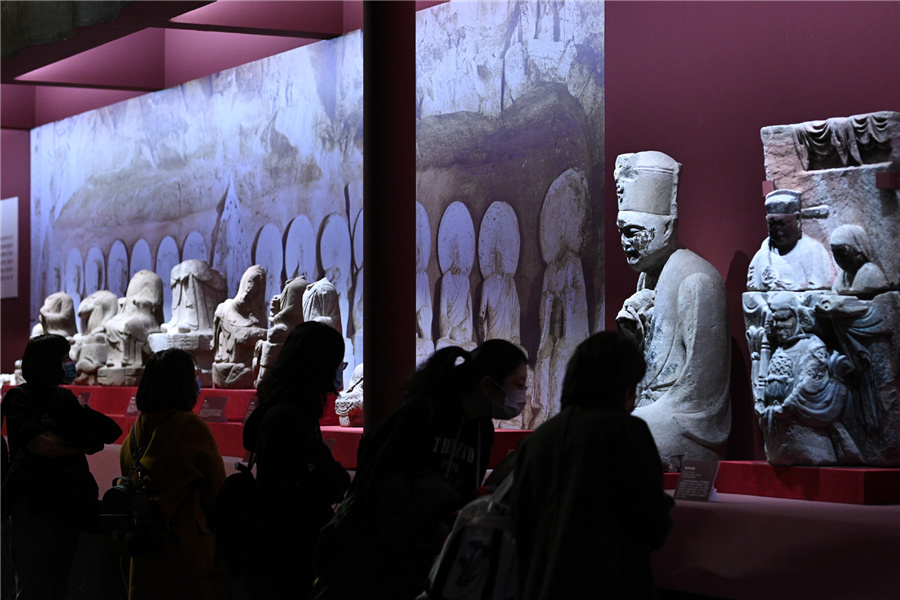
The ancient civilizations of Ba and Shu contributed significantly to the cultural landscape of the region. Archaeological excavations in Chengdu, the capital of Sichuan province, have unearthed tombs and relics dating back from the Warring States Period (475-221 BC) to the Song Dynasty (960-1279). These finds include bronze weapons, iron swords, and pottery sculptures, providing valuable insights into the customs and religious practices of the Bashu people. The art of statue-making, deeply embedded in Bashu Culture, reached its zenith during the Sui and Tang dynasties, leaving behind masterpieces like the Dazu Rock Carvings, known for their distinctive style and integration of everyday life themes.
Geographic Influence
The geographic landscape of Sichuan and Chongqing has played a pivotal role in shaping Bashu Culture. The region is characterized by its mountainous terrain, lush river valleys, and fertile plains, which have historically supported agriculture and facilitated trade. The natural environment has not only influenced the livelihoods of the Bashu people but also inspired artistic expressions and architectural innovations. The region’s strategic location along ancient trade routes allowed for cultural exchanges with other civilizations, enriching the Bashu cultural heritage.
Cultural Characteristics
Language and Literature
One of the fundamental aspects of Bashu Culture is its language and literature. The local dialects, which are part of the greater Sino-Tibetan language family, reflect the unique historical and cultural influences that have shaped the region. Bashu literature, with its origins in ancient folk tales and poetry, continues to thrive, capturing the essence of regional customs and traditions. The works of local poets and writers often explore themes related to the natural beauty, historical events, and philosophical reflections inherent in Bashu Culture.
Art and Architecture
Bashu art and architecture are renowned for their distinct styles and contributions to Chinese cultural heritage. The Dazu Rock Carvings, a UNESCO World Heritage site, exemplify the artistic achievements of the Bashu people, combining elements of Buddhism, Confucianism, and Taoism. These carvings, along with other architectural marvels, exhibit the intricate craftsmanship and aesthetic sensibilities of the region. Traditional Bashu architecture, characterized by wooden structures and sloping roofs, harmonizes with the surrounding natural environment, reflecting the region's adaptability to its geographic conditions.
Music and Dance
Music and dance are integral components of Bashu Culture, with Sichuan Opera, or Chuan Ju, standing out as a distinctive performing art. Originating in Sichuan province, Sichuan Opera is known for its vibrant costumes, elaborate makeup, and unique techniques such as face-changing. The opera combines various artistic elements, including singing, acting, and acrobatics, to depict historical stories and folk tales. Traditional music, often accompanied by instruments like the suona and bamboo flute, complements the expressive nature of Bashu dance, which is characterized by its fluid movements and rhythmic patterns.
Social Practices and Traditions
Festivals and Celebrations
Festivals and celebrations are a vibrant part of Bashu Culture, reflecting the community's social values and religious beliefs. Traditional festivals such as the Dragon Boat Festival and the Lantern Festival are celebrated with great enthusiasm, featuring activities like dragon boat racing, lantern displays, and theatrical performances. These events provide an opportunity for families and communities to come together, reinforcing social bonds and cultural identity.
Cuisine
Bashu cuisine is renowned for its bold flavors and diverse culinary techniques. Sichuan cuisine, in particular, is famous for its liberal use of spices, including Sichuan peppercorn, which imparts a distinctive numbing sensation. The regional cuisine emphasizes the balance of flavors—spicy, sour, sweet, and savory—and makes extensive use of fresh ingredients sourced from the fertile lands of Sichuan and Chongqing. Signature dishes such as hotpot, mapo tofu, and kung pao chicken have gained international recognition, contributing to the global appeal of Bashu culinary traditions.
Influence on Modern Society
Bashu Culture continues to exert a significant influence on contemporary society, both within China and internationally. Its rich artistic heritage, unique culinary practices, and vibrant festivals attract tourists and cultural enthusiasts from around the world. The integration of traditional elements with modern innovations has allowed Bashu Culture to thrive in the modern era, fostering a dynamic cultural environment that celebrates its historical roots while embracing contemporary influences.
Preservation and Promotion
Efforts to preserve and promote Bashu Culture are evident in various initiatives, ranging from the establishment of museums dedicated to ancient architecture and art to cultural exchange programs that introduce Bashu traditions to international audiences. The preservation of intangible cultural heritage, such as Sichuan Opera and traditional crafts, is supported by government and community efforts, ensuring that these cultural expressions continue to be passed down to future generations.








